Workplace safety is entering a new era: one defined by data, technology and a deeper understanding of human behaviour. As industries face new regulations, skills shortages and the pressure to achieve sustainable growth, safety leaders are rethinking what protection really means.
In 2026 and beyond, the goal will shift from reacting to incidents to anticipating them, creating a safer and more agile environments through connected technology, predictive analytics and people-first planning.
From AI-driven insights and IoT sensors to mental health initiatives and ESG-aligned safety metrics, these emerging workplace safety trends are reshaping the way organisations protect their people and their profits.
Predictive Safety: From Data to Foresight
For decades, workplace safety has been reactive, investigating incidents only after they happen. That model is rapidly becoming obsolete. In 2026 data will be the most powerful safety tool organisations possess. With the rise of predictive analytics and connected technology, companies can now identify potential hazards before they turn into costly accidents.
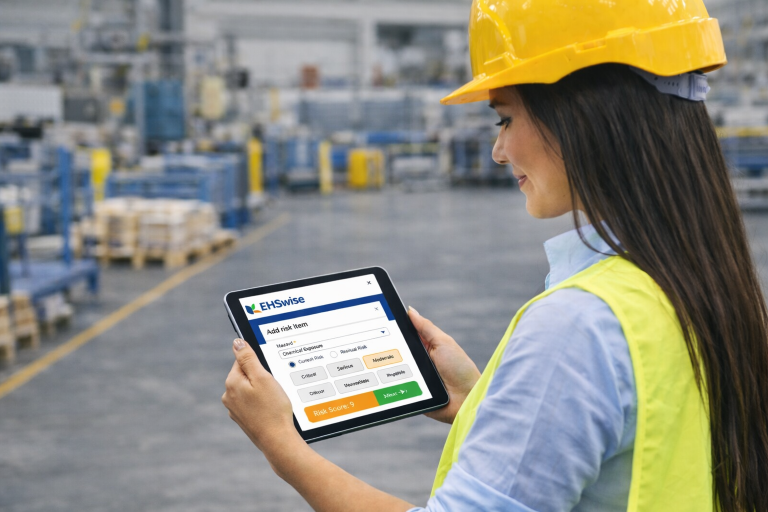
Updated EHS software collects information from inspections, incident reports, sensors and even wearable devices. When analysed through predictive models, that data reveals early warning signs, environmental triggers, near-miss patterns or fatigue indicators, that highlight where risks are most likely to occur. Instead of responding after the fact, safety teams can act early: scheduling preventative maintenance, adjusting staffing or redesigning workflows to eliminate exposure.
A EY’s 2024 EHS Maturity Study confirm that proactive safety systems correlate directly with improved operational efficiency and lower costs. According to a Verdantix market-forecast report, the global EHS software market was valued at $1.9 billion in 2023, with projections estimating growth to $4.5 billion by 2029, driven by increased demand for analytics, automation and integrated safety systems.
Predictive safety is more than a technology trend, it’s a strategic shift. The next generation of safety leaders won’t wait for data to explain what went wrong; they’ll use it to anticipate what’s coming next. Because in the future of workplace safety, the greatest protection comes from foresight.
Human-Centered Safety: The Rise of Psychological Well-Being in EHS
For years, safety programmes focused almost entirely on physical risks, slips, trips, machinery hazards, chemical exposure. But as we move into 2026, organisations are recognising that protecting workers means more than hard hats and harnesses. It also means safeguarding their mental health, emotional resilience and sense of belonging. This shift toward psychological safety marks one of the most important transformations in modern EHS practice.
According to a report by Harvard Business Review, teams with strong psychological safety outperform others because workers feel safe to speak up about errors, risks and process failures before they escalate. When employees fear blame or retribution, hazards go unreported and preventable incidents occur. The U.S. Occupational Safety and Health Administration (OSHA) has also identified mental health and fatigue as critical components of workplace risk, noting that psychosocial factors can significantly increase the likelihood of accidents.
Forward-thinking organisations are now embedding well-being into their EHS strategies. They’re using incident analytics not just to find technical faults, but to understand behavioral trends, stress spikes, disengagement or communication breakdowns that signal deeper issues. Tools like digital EHS management systems help track these indicators more holistically, allowing leaders to spot risks that data alone can’t explain.
The rise of human-centered safety represents a new maturity in EHS thinking. It’s a recognition that safety is not just a process, it’s a culture. By prioritizing trust, communication and mental health alongside technology, companies create environments where people feel supported, speak up early – and work with confidence. In the next decade, organisations that build this balance between technology and humanity will lead not just in compliance, but in culture.
Safety Fatigue Is Real: How to Reignite Engagement in a Tired Workforce
As awareness grows, maintaining engagement remains one of the toughest challenges for safety leaders. Even the most advanced safety systems and well-designed processes can’t succeed without engaged people behind them. After years of constant change, tighter deadlines and the relentless pressure to “do more with less,” many safety teams are showing signs of safety fatigue, a gradual decline in alertness, motivation and responsiveness to risk. According to research from Gallup’s 2024 State of the Global Workplace Report, nearly 60% of employees worldwide report feeling emotionally detached or mentally exhausted at work, a condition closely associated with lower attention, slower response times, and higher incident rates.
Safety fatigue doesn’t appear overnight. It takes root when people stop believing their actions matter, when they feel unheard, overwhelmed or disconnected from leadership priorities. Over time, this disengagement leads to complacency, slower reporting and a culture where hazards go unnoticed. As workforces age and responsibilities expand, this quiet burnout becomes one of the most underestimated safety risks of all.
Reversing that trend takes more than another poster campaign or toolbox talk. It calls for a cultural reset, one that blends leadership empathy with smarter, more transparent systems. Modern EHS management platforms play a vital role by making participation easier: simplifying incident reporting, highlighting progress and recognising positive behaviors in real time. When people see their contribution making a visible difference, their motivation and ownership return naturally.
In 2026 and beyond, successful safety leaders will focus not only on preventing accidents but on protecting engagement itself. They’ll treat attention, trust, and morale as critical safety resources, because a workforce that feels valued and connected is a workforce that stays safe.
A Modern Approach to Workplace Safety
The future of workplace safety will be defined by organisations that can connect insight, action and people in real time. As safety challenges become more complex, relying on fragmented systems or reactive processes will no longer be enough. What’s needed is a digital foundation that supports foresight, engagement and continuous improvement.
EHSwise is designed to support this next phase of safety management. By centralising incident reporting, risk assessments, inspections and corrective actions, the platform helps you move from isolated data points to meaningful safety intelligence. Predictive insights, trend visibility and connected workflows enable safety teams to act earlier, prioritise effectively and adapt as risks evolve.
As we move into 2026 and beyond, EHS software will play an increasingly strategic role, not just in compliance, but in shaping culture, supporting wellbeing and strengthening decision-making across the organisation. EHSwise enables safety leaders to combine technology with human insight, creating safer, more resilient workplaces where people feel informed, engaged and protected.
Workplace safety is no longer about reacting to what went wrong. It’s about building systems that help organisations understand what’s happening now and anticipate what comes next.
Learn how EHSwise supports proactive, people-centred safety management for the future of work.